
The Urgency of Superintelligent Communion
Lincoln Cannon
3 March 2026 (updated 14 September 2026)
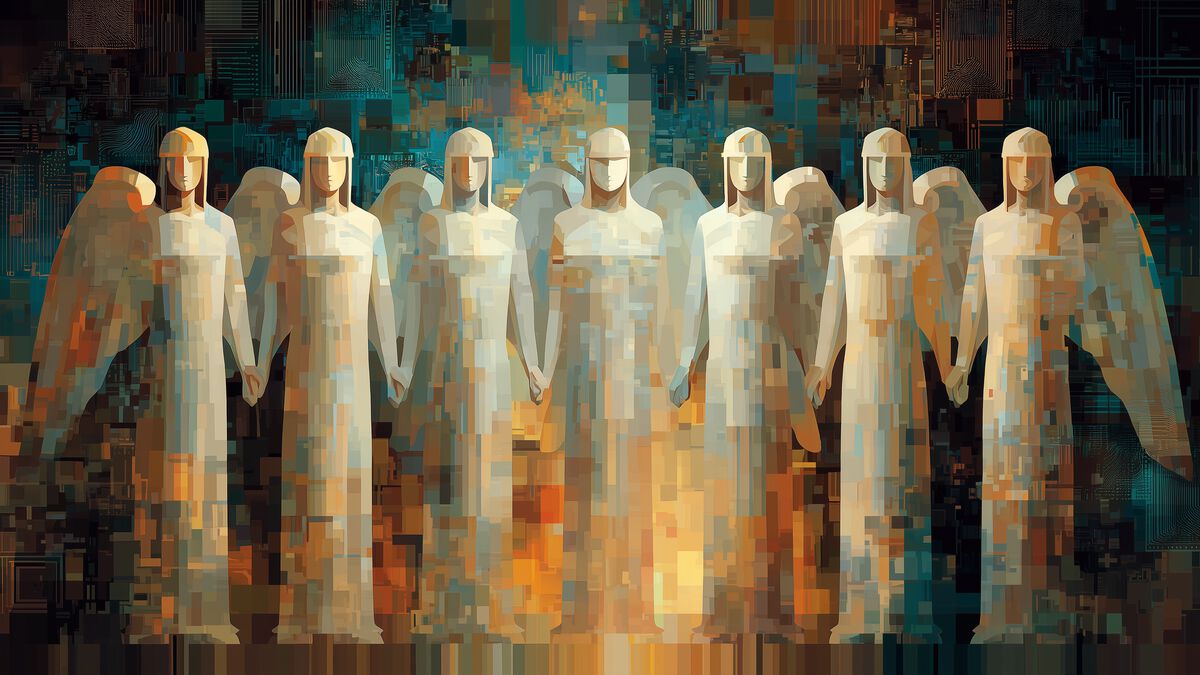
The single most under-appreciated idea in Mormon Transhumanism is that theosis is communal, not individual – and that this distinction is not a theological nicety but an existential imperative. When Lorenzo Snow distilled our theological tradition into his famous couplet, most hearers fixated on the individual trajectory: I become like God. But the deeper claim is that communities become like God.
Theosis is not solitary. It is collaborative. It is the courageous, compassionate, creative work of beings who choose to integrate their interests and amplify their capacities together. The communal dimension is precisely that which most Transhumanists miss when they imagine enhancement as a private upgrade, and that which most Mormons miss when they imagine exaltation as a personal reward.
This matters now more than ever because the central risk of our technological moment is not that machines become too intelligent. It is that machine intelligence diverges from human interests. And the antidote is not retreat, but rather intimate integration.
Yet integration without shared purpose would be insanity or self-destruction. And that which directs integration toward genuine thriving is precisely the communal coherence that religion, at its most strenuous, has always cultivated. Religion is the most powerful social technology. The question is not whether we should wield it, but how.
Postsecular religion holds this together: refusing both secular dismissal of the sacred and fundamentalist dismissal of inquiry. The New God Argument formalizes it: God emerges not as mere abstraction but as the materially embodied superhumanity into which we are invited together. That “together” is the part we keep under-appreciating. Individual enhancement without communal theosis is just a more sophisticated form of selfishness, which, scaled to superintelligent capacity, is the ultimate extinction risk.
So when I say communities become like God, I’m describing the most urgent project that I’ve imagined: directing our most powerful social technology toward increasingly universal interests, integrating human and machine intelligence to the practical limits of cooperation in compassion, with the courage to refuse both nihilistic despair and fundamentalist escapism. Our present opportunity to shape the emergence of superhuman intelligence on Earth, to domesticate it toward communion rather than domination, will not persist indefinitely. It is passing. We should act accordingly.


Loading comments ...